
Nicolas Winding Refn
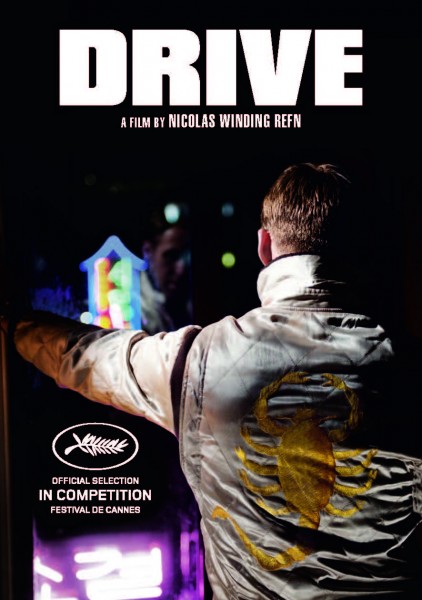


IFQ: There are a lot of chase scenes that have been shot in Los Angeles, but you’ve made yours so unique. How did you go about doing that?
Nicolas Winding Refn: First, you look at your restrictions. I didn’t have a lot of money. Car chases are all about logistics. It’s all about how much time you have to get X amount of shots and coverage. I had this idea that I’ve never seen a car chase where everything was seen from inside a car. The first car chase was inside a car. The second car chase was more conventional in the sense of one car following the other car on the highway. I didn’t have the material or the elements to do what they would do in “The Fast and the Furious.” I was really interested in the terms of the sexuality of the car sounds. It’s almost like making a chase with pure sound—the picture became secondary, but the sound became what was driving it. The third one, which is not really a chase, it’s more like a stalking. It was just the simplicity of a driver smashing his car into another car. I’m not saying anything bad about “The Fast and the Furious.” I’m just saying that I did not have the things that all those people are used to because of the financial restrictions I had.
IFQ: I think you pulled quite well. Have you shot a film in Los Angeles before this?
Nicolas: No. I don’t live in LA. I live in Copenhagen.
IFQ: How’d you go about finding locations for this film “Drive”?
Nicolas: Well, actually it was more Ryan Gosling who would drive me around and describe the locations in the book. Then I took that knowledge and sat down with the line producer and figured out how much it would cost us to move around and hoped to get the most for our bucks.
IFQ: What locations did you shoot in throughout Los Angeles?
Nicolas: We shot in Echo Park because of the apartments that they lived in. We shot in the Valley and then in Downtown LA. Mostly those three hubs, and then I’d find the other smaller locations around those three hubs.
IFQ: The lead actor is Ryan Gosling. Was there someone else you had considered for the lead before finding out he was your man?
Nicolas: No. I couldn’t because it was the other way around. It was Ryan who came to me and asked if I would make this movie with him.
IFQ: It would have been a totally different movie if Ryan didn’t play the lead.
Nicolas: Oh yeah.
IFQ: Something I noticed in the movie was that Ryan never announced his name. Was there significance to that?
Nicolas: Well, the driver doesn’t have a name. He’s what you make him.
IFQ: Did you have difficulty in choosing the music in the film?
Nicolas: No. All of my films have a specific kind of music that represents them. On “Drive,” I had this idea that I would love to do a movie about automobiles, but it wouldn’t have rock and roll—which is what you usually connect to automobiles. It’s almost like horses that are running on the plains. It’s about freedom and individualism. I had this idea to describe the “Driver” as being half -man, half –machine. When Kraftwerk came and started using electronics to create music, it was a very infant stage and they used equipment which is almost like antiques now. The driver’s car is an antique. The film needed a Kraftwerk sound, but I wanted to do a retro sound and bring up something from the past. The idea was to create a new and original electronic score. Matt Newman, my editor, has done a lot of my movies and he started looking online and he had a lot of knowledge about electronic music. He’d play me things, and we kept in the things I liked. Cliff Martinez kind of immolated the sound.
IFQ: Did you feel your expectations after “Bronson” were so high that you had to top it with “Drive”?
Nicolas: No. After “Bronson,” I went on to do a movie called “Valhalla Rising” that became my most successful movie. That movie was so distinguished in that it was so different from anything I had ever done. I always believe if you make things different every time, you never need to top yourself— you just need to evolve.
IFQ: What is the overall message behind “Drive”?
Nicolas: I don’t make political movies with a message. I just think that the driver is the last great hero because he protects the purity of love. In order to protect that, he also can never have it.