
Selma
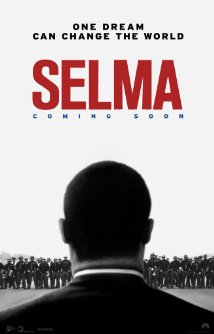


Selma is a compelling film from start to finish, highlighting the injustices towards blacks in America during the civil rights movement, and Dr. Martin Luther King’s immeasurable contributions for equality. This historical-drama begins with a scene that draws you directly into the story. After King wins the Nobel Peace Prize, a tragic scene shows four African-American girls, killed in an explosion, stating the dangers of the time, and the discriminations. Annie Lee Cooper, played passionately by Oprah Winfrey, is denied the right to vote with outright unfairness. In an absorbing scene, Doctor King (David Oyelowo)meets with an overwhelmed President Lyndon B. Johnson (Tom Wilkinson), who says that at this time, he cannot put in the efforts to allow black citizens the right to register to vote.
This is a sad reality but King continues in his aims, knowing well that the blacks are being disillusioned and given terrible treatment due to an unjust system in which they have little to no say, therefore putting them in a vulnerable situation. The right to vote is serious. Voices will be heard and lives will be saved, bettered. People will have more control over the course of their future, instead of being pushed down by the part of society that does not want to see them flourish.
Martin Luther King’s wife, Coretta (Carmen Ejogo), is worried about going to Selma, but King is steadfast, and so is Coretta’s determination to stand by him, even if marital issues have been implied throughout the film. The dynamic amongst the duo is strong. They act with fearlessness.
In a major scene, setting the stage for the violence that’s soon to come, we see marchers, standing outside of the registration office in Selma, Alabama. Diabolical police officers attack peaceful activists whose dedication to their cause is awe-inspiring, and their willingness to risk their lives, heroic. Selma is eye opening in many regards, showing the seriousness of society’s injustices, to the extremely high, life and death stakes. The acting is solid and the material, potent. The future lies in the hands of Martin Luther King and all those who stand by him. One wrong move and their cause is disadvantaged, or even worse, they’re dead. Tensions are high. King and his brave counterparts must maneuver the system with carefulness, even under the severe watch of the FBI.
During one of the more heartbreaking scenes in the film, three activists run from indignant police officers and hide in a restaurant. They pick up menus, their hands shaking with fear. Only a moment passes before officers run into the place. An elderly man is beat down. A woman is held back and choked. A young man is shot in the stomach, killed for everyone to see. The marchers hadn’t committed any acts of violence to deserve this dire treatment. An example set throughout the film is how hatred can cause chaos and misconceptions, how it can hurt innocent people.
In Selma, peace is met with terror. Promoting equality was an act punishable by death. During the Selma Montgomery March, state troopers brutally beat peaceful activists and attacked them with tear gas. The terror is displayed on national television for everyone to see, raising awareness concerning an issue that can no longer be ignored. King approaches Johnson, again. There is a perpetuate problem that needs to end and they will not back down. A march will take place.
The film ends on a lighter note. Strides are taken to promote equal rights, with President Johnson finally asking for the passing of a bill to eliminate restrictions on voting. In the end, King leads a final march through Selma, with thousands of people behind him, both black and white. On the steps of the State Capitol, he delivers a promising speech. Equality is possible after all.
The acting in Selma is powerful, and the story unmatched. Self-sacrifice and determination, along with goodness of heart persevere in this film. We finally see that the bond that the marchers share, and their untiring fight for a common cause, wins over injustice and cruelty. We are moved by this story. We are left wishing that we’d been right there with them, marching through Selma.
Selma is nominated for an Oscars 2015 Best Picture.